„Wichtig ist nicht, besser zu sein als alle anderen. Wichtig ist, besser zu sein als du gestern warst!“
– japanische Weisheit –
Photography tips

5 typische Fehler in der Bildbearbeitung
Bildbearbeitung kann Spaß machen, aber auch ziemlich frustrierend sein. Stundenlang kann man sich in seinen eigenen 4 Wänden mit den Reglern in Lightroom, Luminar Neo, Capture One, oder wie sie alle heißen beschäftigen. Und dann merkt man am nächsten Tag, dass es doch etwas zu viel oder auch zu wenig des „Guten“ war und man feilt wieder an der Abstimmung. Gerade Beginner in der Landschaftsfotografie sind meist es was „Übermotiviert“ was die Regler betrifft und so sieht man immer wieder 5 typische Fehler in der Bildbearbeitung, für die ich euch in diesem Blog sensibilisieren möchte.

Adventskalender 2025
Die Adventszeit beginnt, Weihnachten steht vor der Tür. Es ist eine Zeit, in der man sich ein wenig besinnen kann, den Alltag ein wenig hinter sich lassen sollte, zur Ruhe kommen möchte und womöglich ein wenig mehr über die Fotografie und womöglich ein paar Tricks in der Bildbearbeitung, bspw. mit Lightroom zu lernen. Oder etwa nicht? Aus diesem Grund starte ich in diesem Jahr einen kleinen Adventskalender. Jeden Tag öffnet sich auf YouTube ein Türchen, mit einem oder vielleicht auch gleich mehreren Tipps und Tricks rund um Landschaftsfotografie und der Bildbearbeitung mit Lightroom.

ETTR vs. HDR
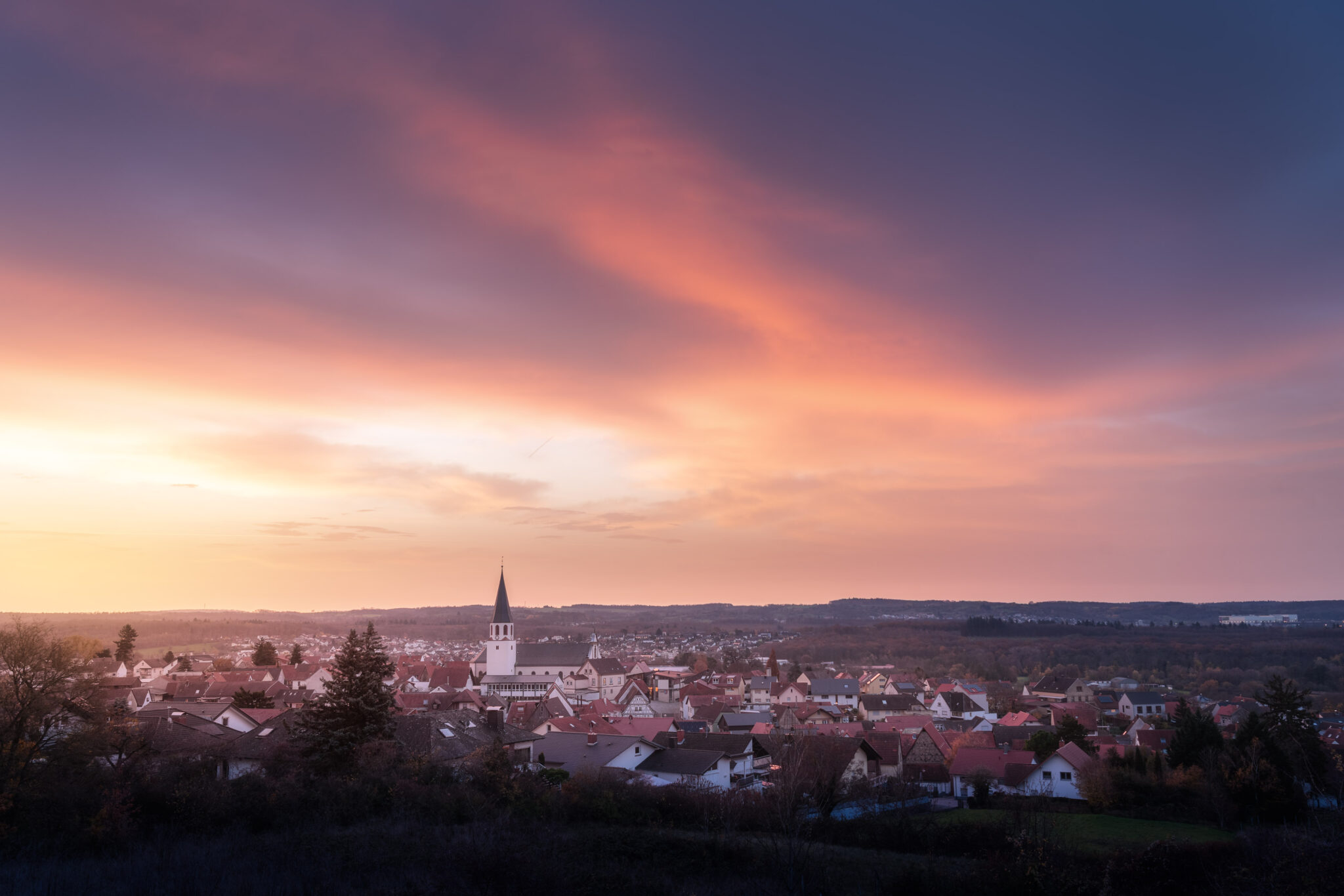
Wenn ihr schon das ein oder andere Mal an den Randzeiten des Tages fotografiert habt, dann werdet ihr die Situation sicher kennen. Magisches Licht oder intensive Farben im Himmel. Ihr nehmt ein paar Aufnahmen auf, schaut auf das Display, und denkt, klasse das passt. Zuhause am Rechner seht ihr dann das Dilemma. Ihr habt zu dunkel fotografiert. In den Schatten sumpft das Bild ziemlich ab, wirkt unscharf und noch dazu völlig verrauscht. Und das bei ISO 100, wieso denn das?
In diesem BLOG / VLOG stelle ich euch zwei relativ einfache Aufnahmetechniken vor, die sofort zu besserer Qualität eurer Landschaftsfotografien führen. Einfach deshalb, weil sie relativ schnell umzusetzen sind und leicht zu erlernen sind. Man muss sich eben nur die Zeit nehmen und ein paar kleine Dinge beachten.

Fine art or fake art landscape photography?
Landscape photography – it shows us the beauty of nature in impressive images. But not all landscape photos are the same! Some images look like perfect snapshots, others almost like paintings. What is the difference? And is too perfect simply fake? In today’s post, I’ll explain what the addition of ‘fine art’ means, how you can recognise fine art photography and how it differs from normal landscape photography! Be sure to read to the end to find out why it’s not deception, but art.

Woodland photography at twilight
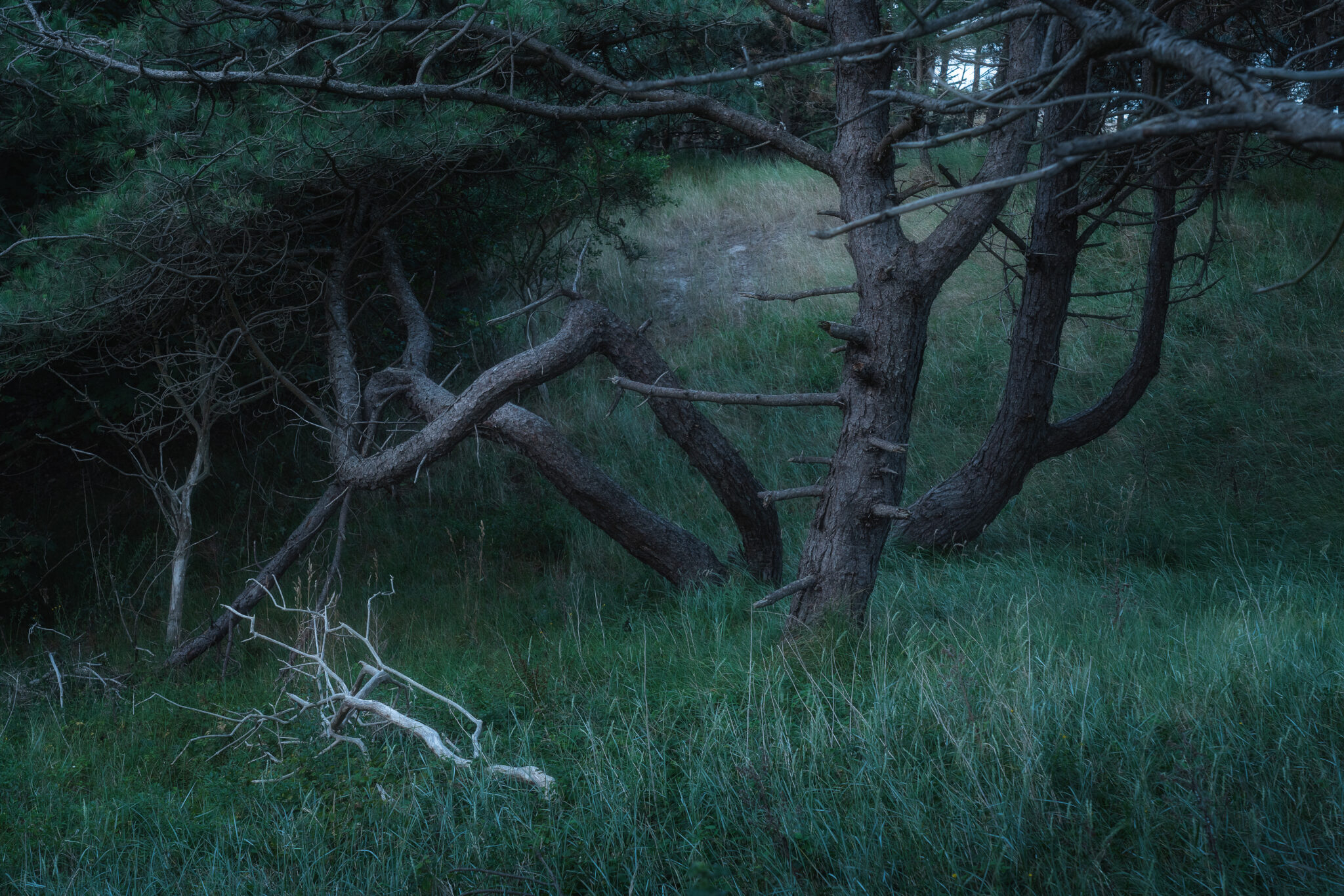
I recently spent a few days travelling with my family in the Netherlands and discovered a lovely little forest with some interesting trees close to the beach. However, the weather during those days was a bit unpredictable. It was either pure sunshine or pouring rain. Neither of these conditions encouraged me to go outside and take photos in the forest. How could I still get some great shots? Then I had an idea. I’ll go when the sun isn’t bothering me. Blue, diffuse, mystical. In this blog/vlog, I’ll show you why the blue hour is an underrated time for forest photography.

One lens for everything
FOMO – Fear of missing out. I think we all know what that is, right? Sometimes it’s really bad for me. When the weather is great and I have to work or I have other plans, I get it – the fear of missing out on the perfect shot. That’s why I quickly expanded my lens collection. It ranges from 16 mm to 400 mm. Now it even goes up to 600 mm. With a teleconverter, that’s actually 1200 mm. I usually have everything with me so I don’t miss a shot. What happens? Sometimes you miss the shot anyway. Changing lenses takes time. Setting out with only one focal length helps creativity; it’s limiting on the one hand, but it gives you freedom on the other. If I had to give up all my lenses except one, which one would I keep?

Polarising filters in woodlandphotography
It is the only filter that cannot be imitated using other photographic techniques or image processing skills, which is why it is probably the only indispensable filter in landscape photography: the circular polarising filter, or CPL for short. You can find out about its effect on photos and how to use it correctly, especially in relation to forest photography, here. Also: when it’s better to leave it out. Have fun reading.

The perfect morning? — The only important tip in photography
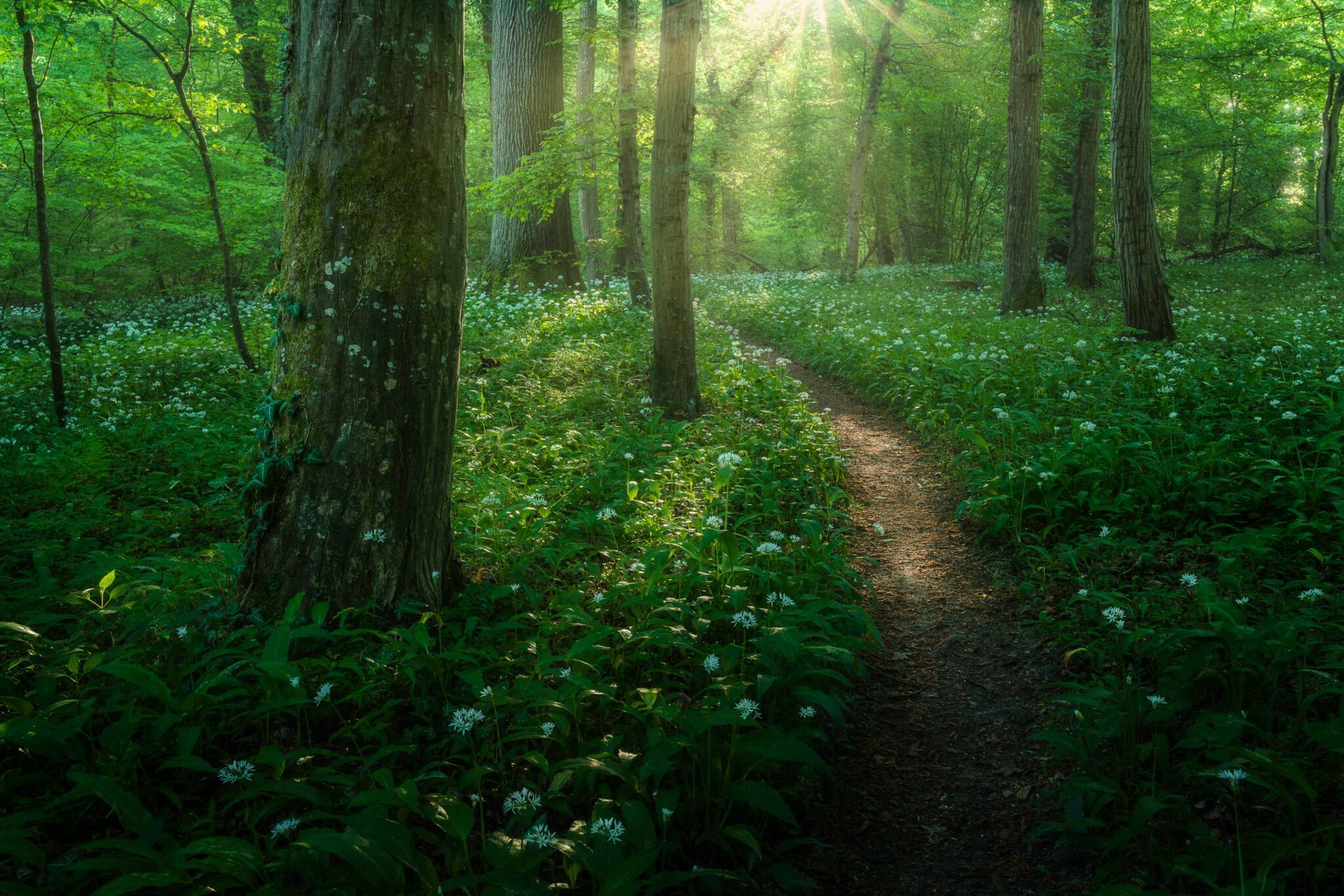
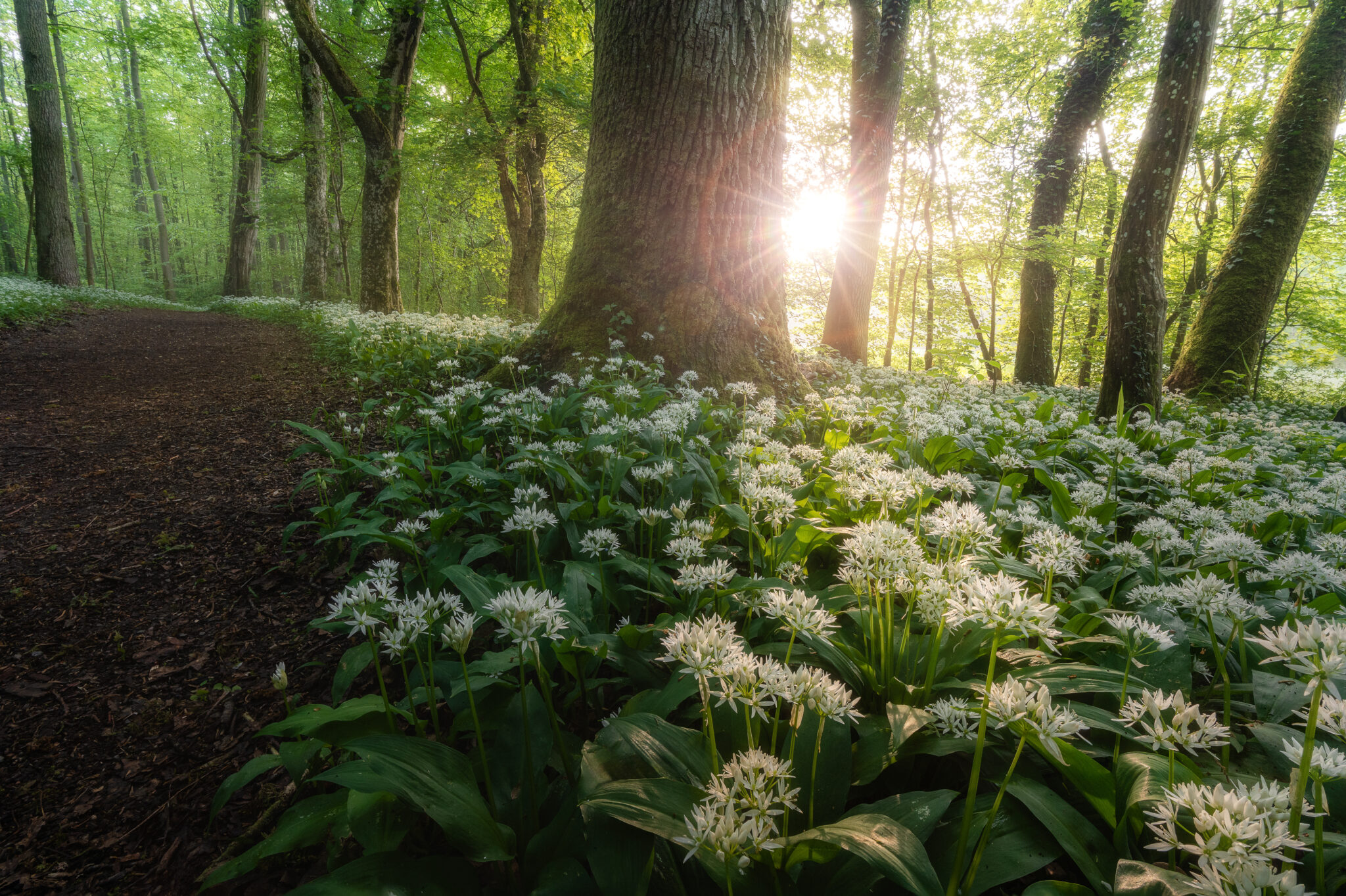
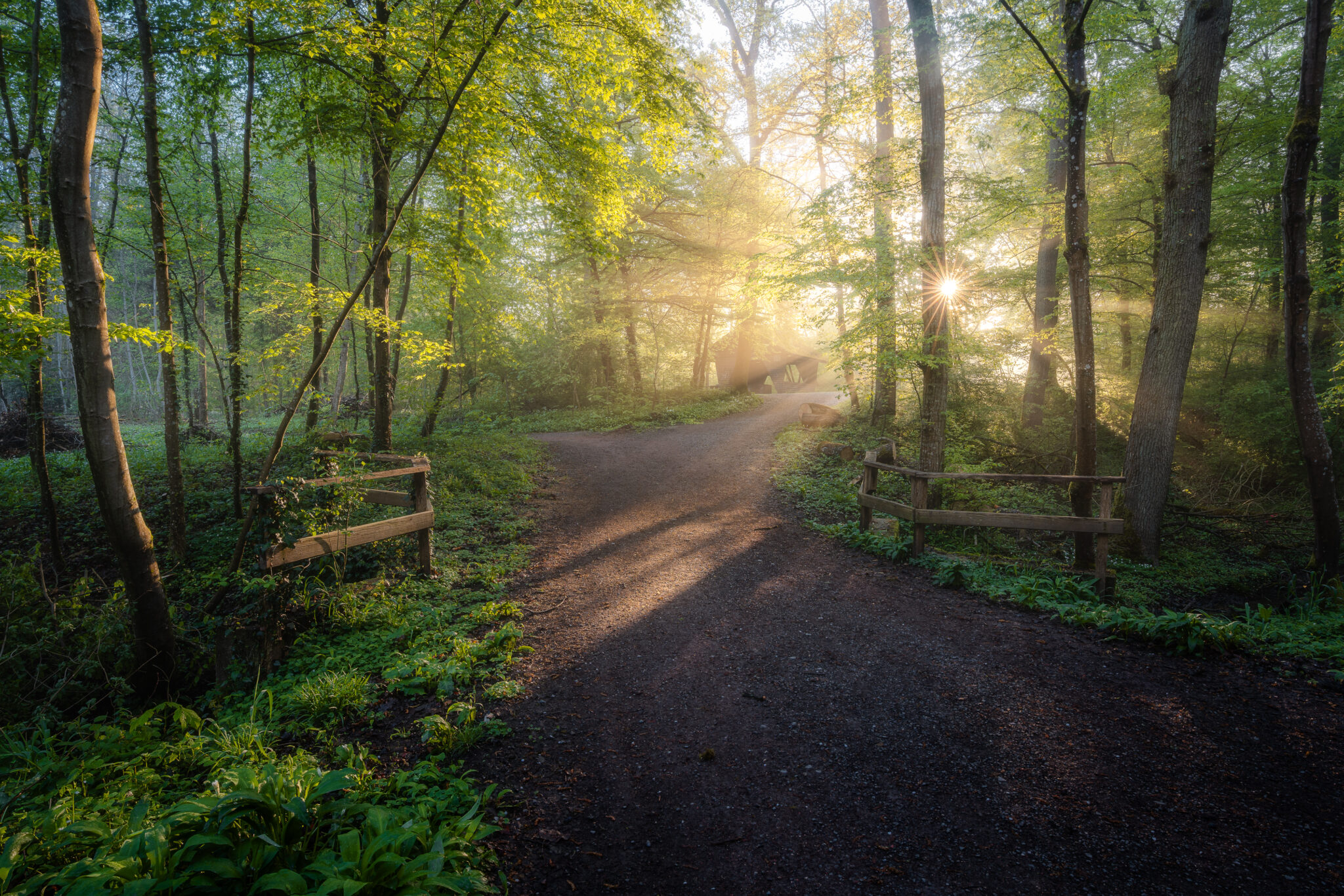
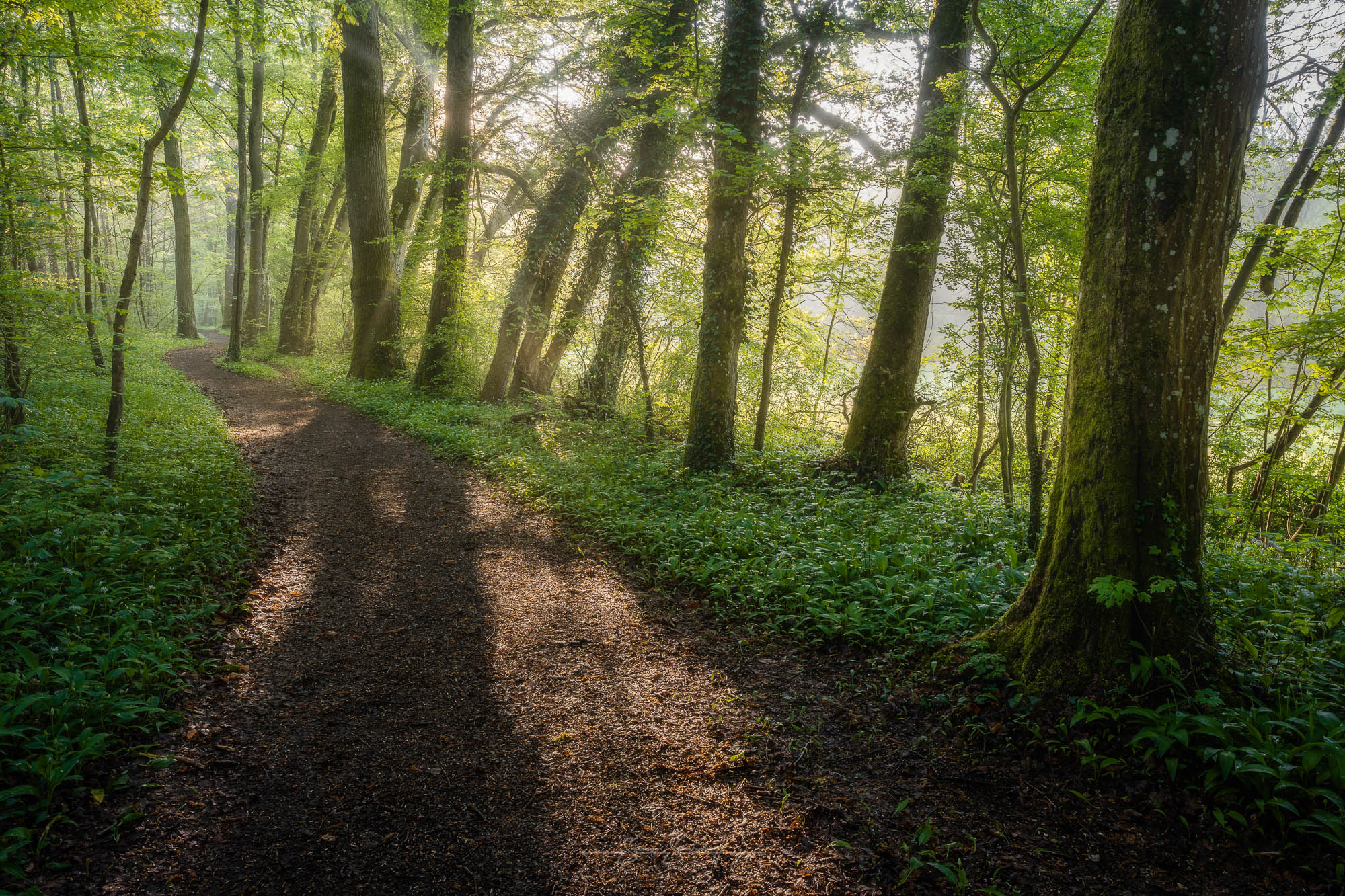
Oh, it could just have been the perfect morning. The mood of the light, the presence of the perfect amount of misty haze, the spring green and me standing in the biggest sea of wild garlic to take pictures. But the world isn’t perfect and so it is that some places full of wild garlic fell victim to the forestry work in winter and the otherwise perfect morning didn’t coincide with the peak of the wild garlic blossom. A pity really. Nevertheless, some great pictures were taken and I have a very basic tip for you in this BLOG/VLOG!

The influence of image processing on nature photography
Maybe you’ve been there: You’re on a holiday that you’ve been saving up for for a long time and you capture your experiences in pictures. Afterwards, you’re a little disappointed because your pictures don’t even begin to reflect what you saw. If you have photographed in JPG, you won’t be able to do much about it, and some of the pictures might just be for the bin. However, if you have saved the RAWs at the same time, your chances of getting something out of the images increase significantly. This BLOG is all about what is possible with modern image processing using the RAWs of today’s cameras. PS: Without sky replacement or adding atmospheric elements!

Taking photos when the weather doesn’t cooperate
Oh man, I wish I’d just stayed in bed. Now I have 30 minutes of hiking uphill in complete darkness through the Palatinate Forest and over an hour’s drive behind me and I’m standing here in the middle of the fog soup instead of above it as planned. And yet the weather models were all in agreement. Fog level, dawn, everything should have been fine. What now? Turn around, go home and give up or pull through and see what you can get out of it with a little creativity? In this BLOG/VLOG, I finally get to grips with the automatic focus bracketing of my Sony a7IV, go in the direction of B&W fine art with my images, show you how to get black and white images quickly and easily in LR/PS and prove to you that giving up is not an option and that you can always find something photographically interesting!

Photographing mushrooms in the forest
Fall time is mushroom time. And although I was told it wasn’t going to be a mushroom year this year, I was completely surprised when I saw mushrooms everywhere to my left and right on my jogging route. While I was running, I thought to myself that a visit to the forest with my camera would be worthwhile. At home I set up my equipment and saw the email that the Sony a7IV can now do focus bracketing. I have to try that out. So I quickly installed the update and headed into the forest before the sun went down. Translated with DeepL.com (free version)

Forest photography in the rain — ideal or torture?
What do you do on a Sunday morning at 6 a.m. in summer? Right, you’re standing deep in the forest in the pouring rain. Instead of wrapping myself up in my comforter again, the rain is dripping off my camera and nose. But I don’t want to moan, I chose this fate myself. Is rainy weather ideal for forest photography, or will the morning be torture for me? Read/see for yourself in today’s VLOG/BLOG